One Day, One Cup, Millions of Stories
Every year on October 1st, the world pauses to celebrate International Coffee Day, a tradition the International Coffee Organization established in Milan in 2015 to give coffee lovers everywhere a single day to honour the drink and the people behind it. This year's theme, "Coffee is Part of the Solution," puts the spotlight where it belongs: on the roughly 12.5 million farming families whose work turns a wild forest fruit into the world's most loved beverage.
To understand why that matters, you have to go back to where the story begins: a forest in Ethiopia, centuries before "coffee" was even a word.
The legend everyone tells
According to the most famous origin story, a goat herder named Kaldi noticed his goats behaving strangely one evening. They'd been nibbling on the bright red berries of a shrub growing wild in the highlands, and instead of settling down for the night, they were practically dancing. Curious, Kaldi tried the berries himself and felt the same unmistakable lift. He brought them to a nearby monastery, where a monk, skeptical at first, tossed the berries into the fire, only for the room to fill with an aroma too good to ignore.
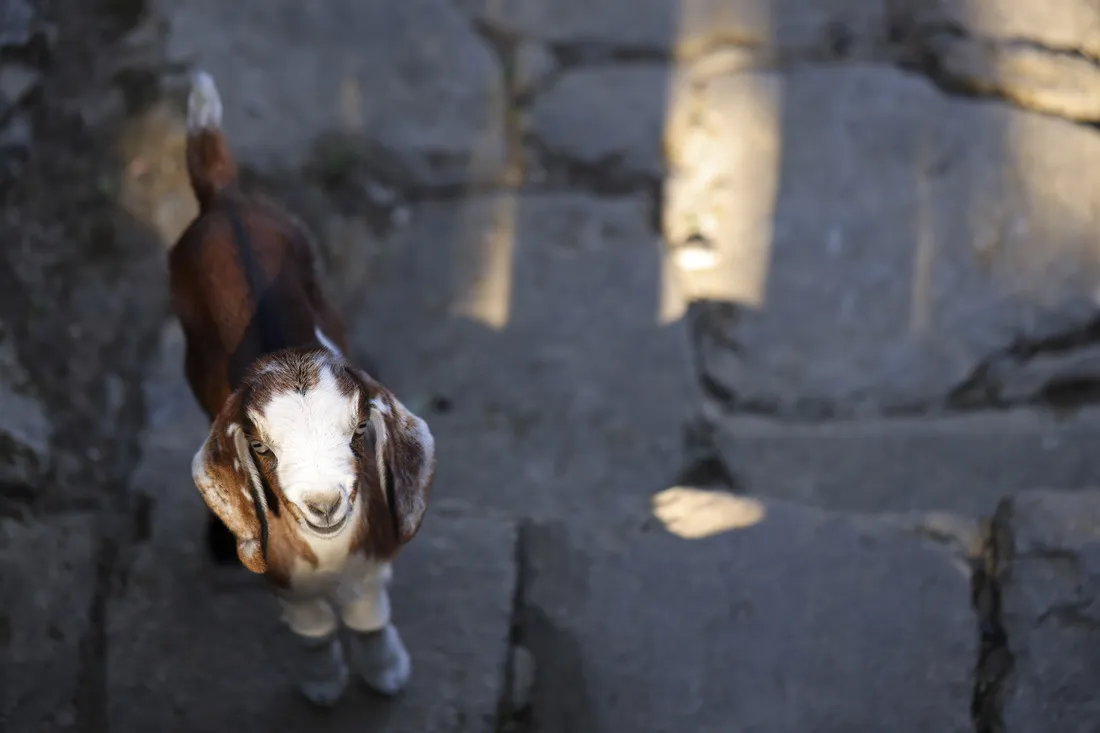
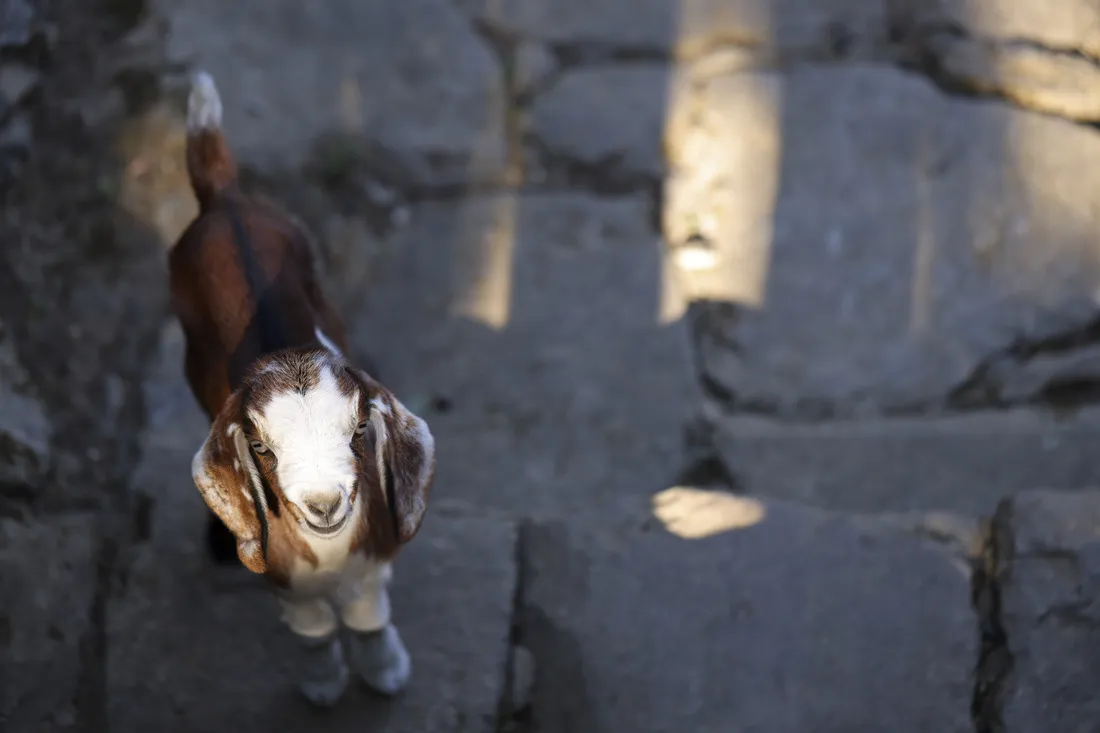
Historians will tell you the tale was first written down nearly 800 years after it supposedly happened, so treat it as legend rather than record. But the shape of it holds true: Coffea arabica really did grow wild in Ethiopia's forest understory, in the shade of taller trees, nourished by rich volcanic soil, long before anyone thought to cultivate it. From there it travelled to Yemen, into the world's first coffeehouses, and eventually everywhere else.
Why that forest still matters
Strip away the dancing goats and you're left with something quietly remarkable: coffee's finest expression has always come from land where nature is allowed to do its work. That's the same idea at the heart of Groundswell, a documentary spotlighting regenerative agriculture around the world, from Kenya to Colombia, which features Nespresso. Directed by Josh and Rebecca Tickell and featuring narration from Demi Moore and Woody Harrelson, the film includes a segment shot on a Nespresso partner farm in Colombia, the same region behind our Master Origins Colombia.
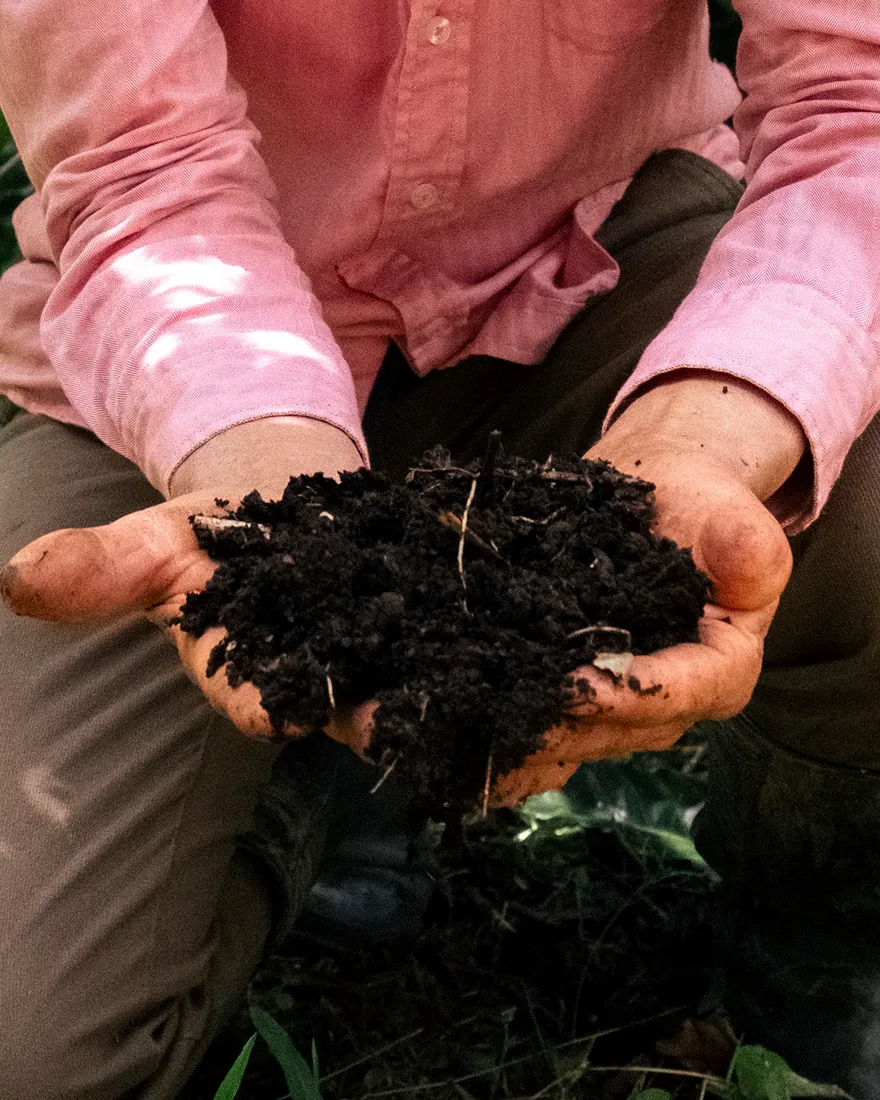
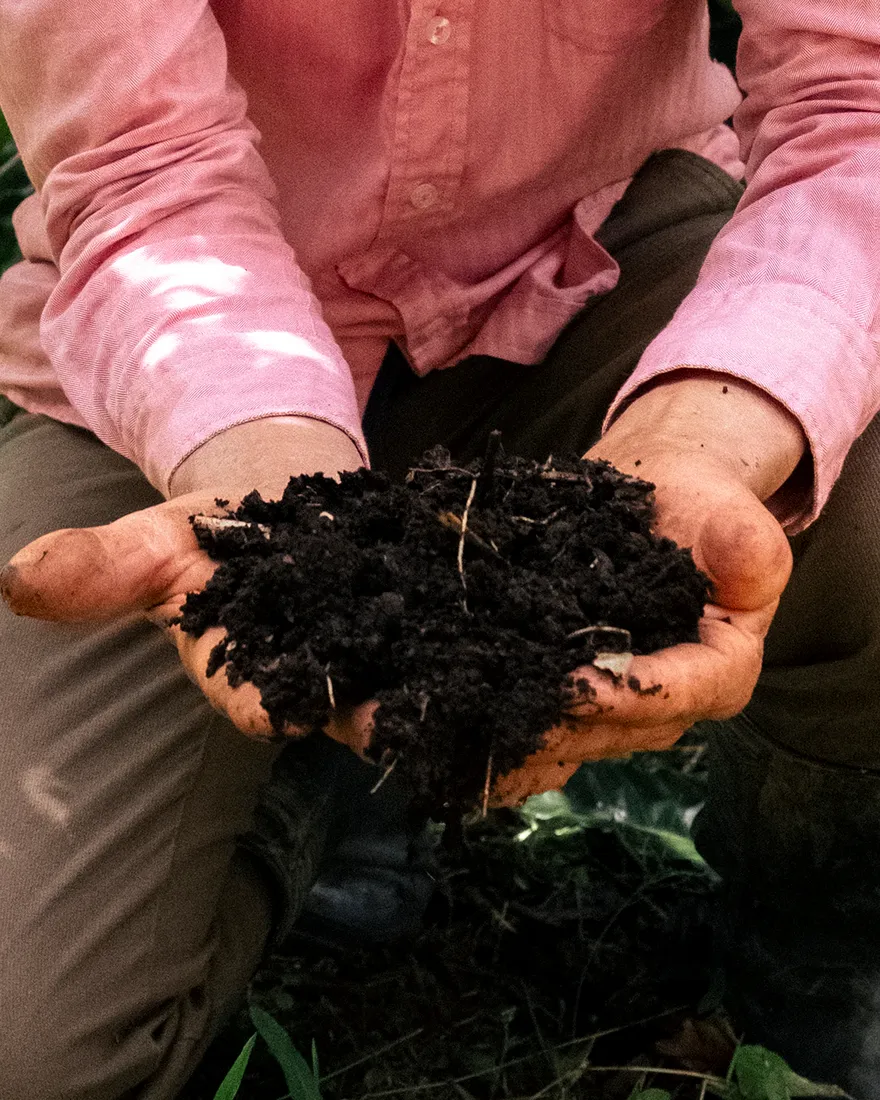
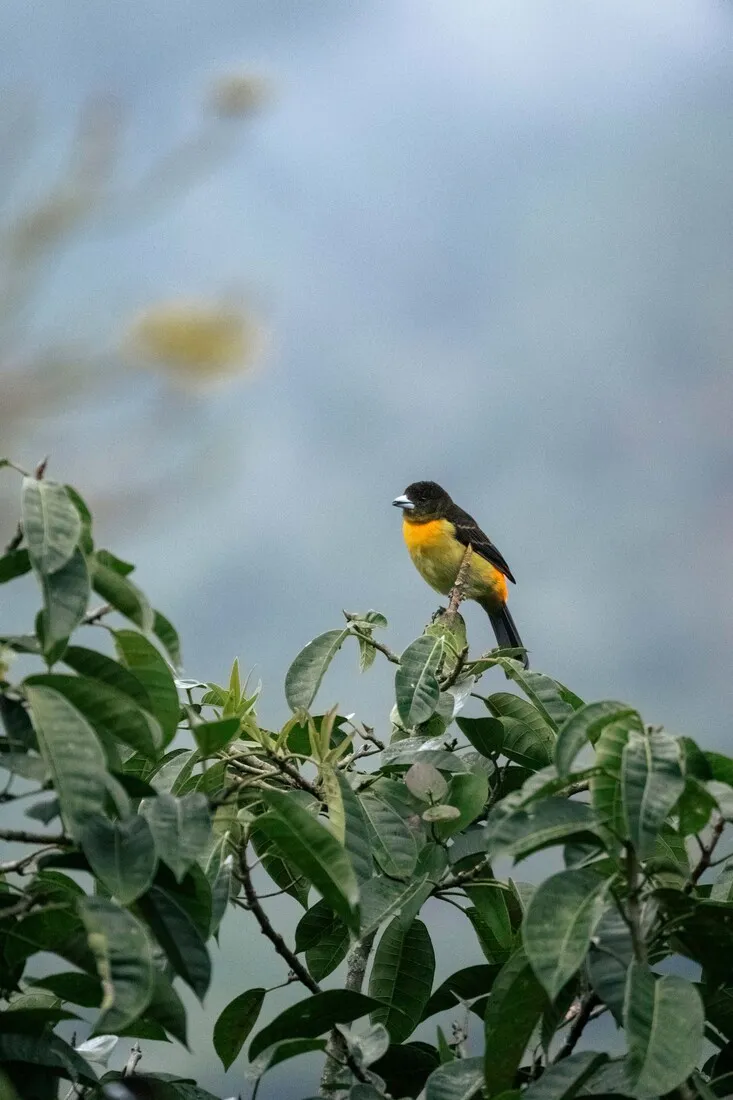
What the cameras found wasn't a manicured plantation. It was something closer to Kaldi's forest: shade trees protecting the soil, birds returning to the canopy, an ecosystem thriving rather than merely producing. Research from Cornell University has linked exactly this kind of agroforestry to greater biodiversity on coffee farms, a sign of healthier soil underneath, and a study from the Smithsonian Institute has connected that same soil health to better-tasting coffee and higher incomes for the farmers who grow it.
It's a simple, almost old-fashioned idea dressed in new research: when nature thrives, great taste follows. Today, 85% of Nespresso Plan coffee comes from farms practising regenerative agriculture, a commitment to protecting the same soil, water, and biodiversity that made that first forest in Ethiopia so unlikely and so extraordinary.
A cup with a longer memory than you'd think
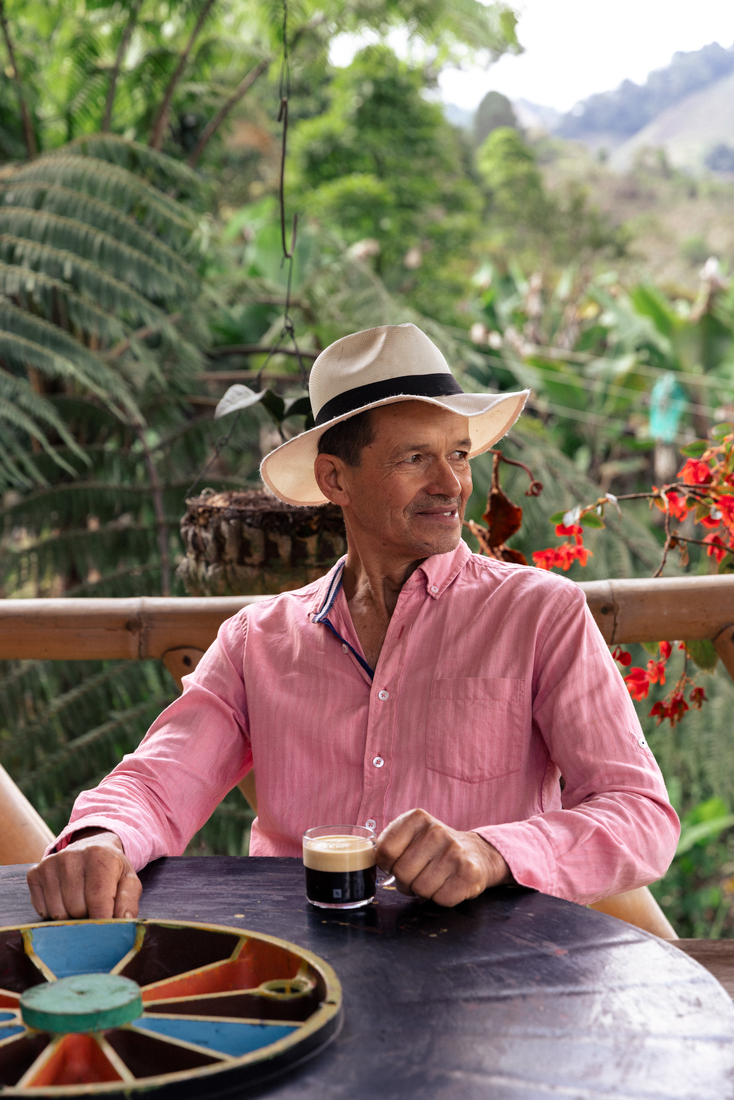
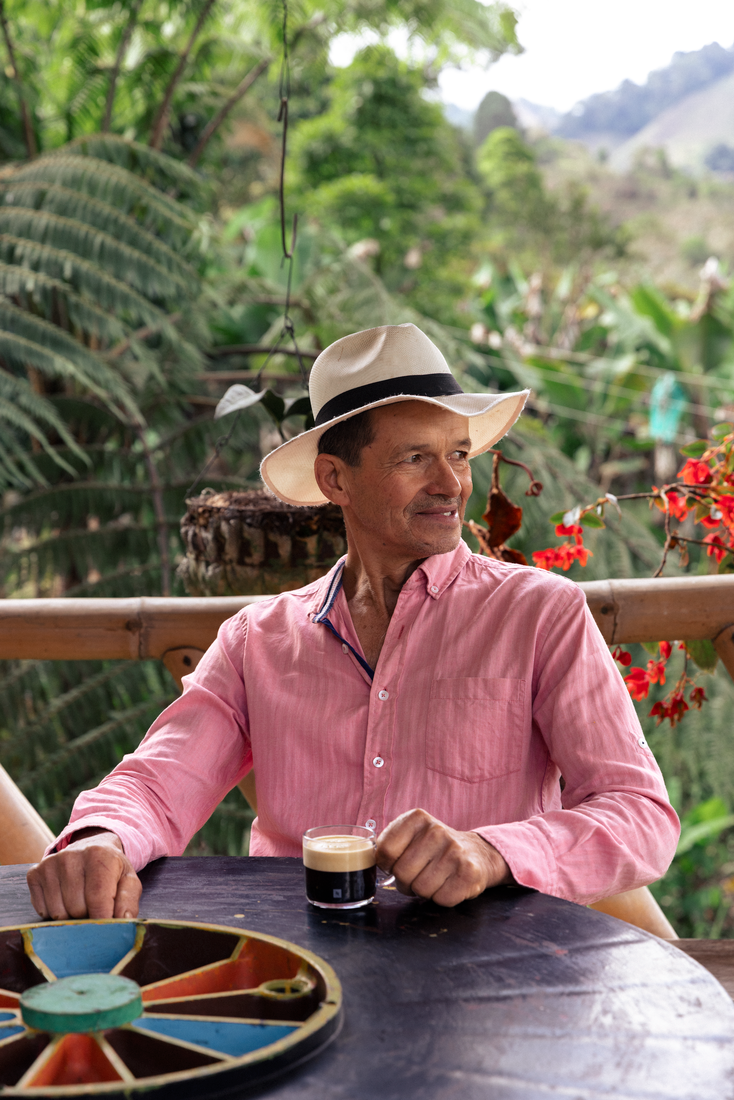
So this International Coffee Day, when you lift your cup, you're taking part in something that stretches back further than any brand or any documentary. You're tasting a thread that runs from a forest in Ethiopia, through generations of farmers who understood land long before science caught up to them, to the partner farms in Colombia where that understanding is being renewed today.
Discover Nespresso Colombia, grown where the forest still leads the way.